Do I need planning permission? Scotland's two-consent system, explained properly
The single most-asked question in every Scottish homeowners' group — and the most misunderstood, because Scotland runs two separate systems and most online advice is written for England.
The one idea that unlocks everything
Planning permission and building warrants are different consents, from different council teams, answering different questions. Planning asks whether the development is acceptable in its setting. The building warrant asks whether the work will be safe and meet the Scottish Building Standards. Needing one tells you nothing about needing the other — projects can need one, both, or neither.
This is also why English websites lead people astray: England has "building regulations approval", Scotland has the building warrant system, and the thresholds are different. If a guide mentions "building regs" and "10 square metres", it's not written for Scotland.
The quick decision path
- Is the work inside your house, with no structural change? (decorating, new kitchen in the same place, built-in furniture) → usually neither consent. Enjoy.
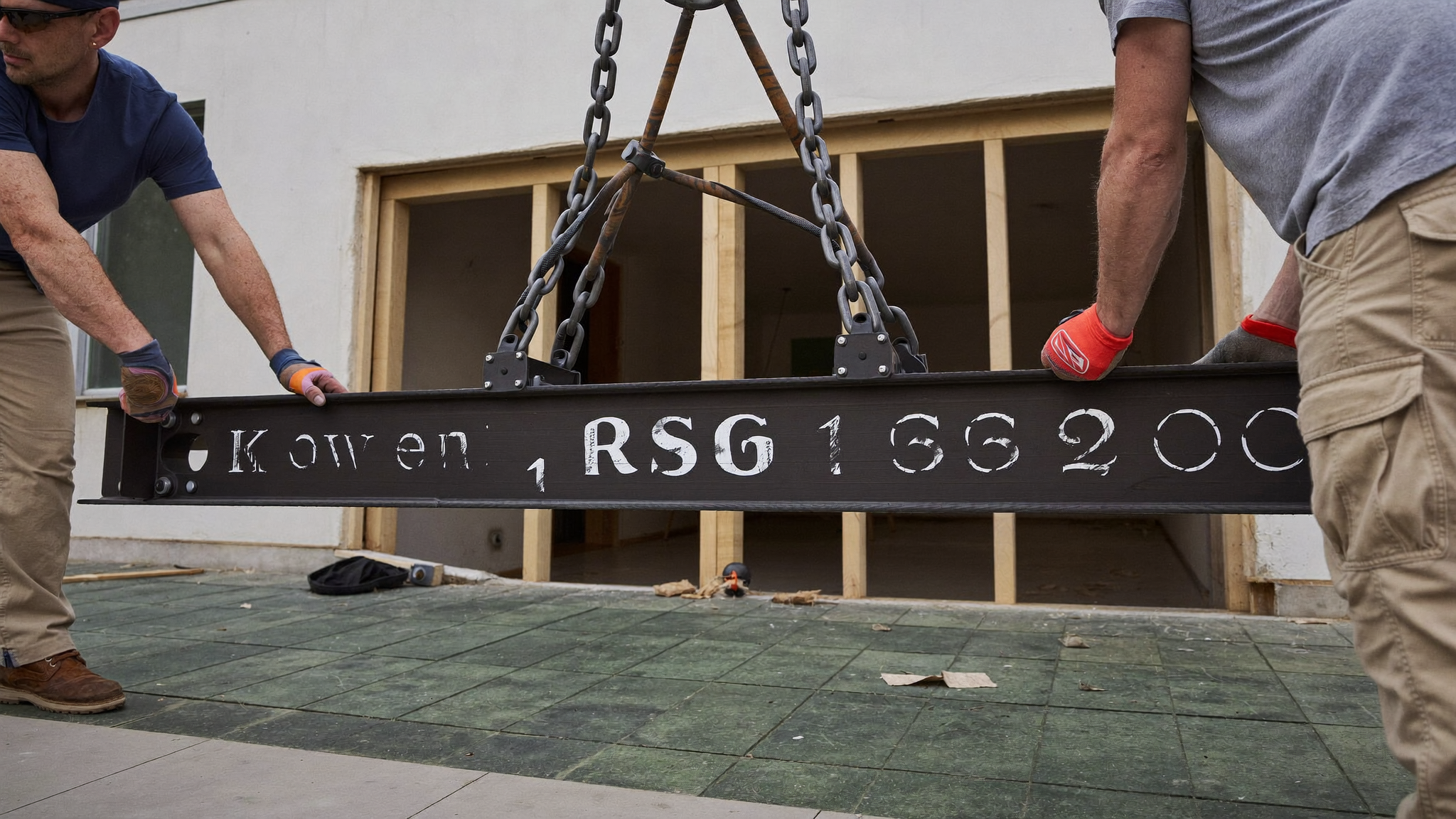
- Does it touch structure, drainage, or change what a space is used for? (walls out, garage becoming a room, new bathroom where there wasn't one) → building warrant territory, even if planning isn't needed.
- Does it change the outside of the building or add floor area? (extension, dormer, conservatory, big garden building) → check permitted development limits; a warrant is usually needed too.
- Is the property a flat or maisonette? → assume a building warrant for almost any alteration, and no permitted development rights for external changes.
- Conservation area or listed building? → assume everything needs checking before you start. Permitted development is heavily restricted, and listed building consent can apply to interior work too.
Use cases, at a glance
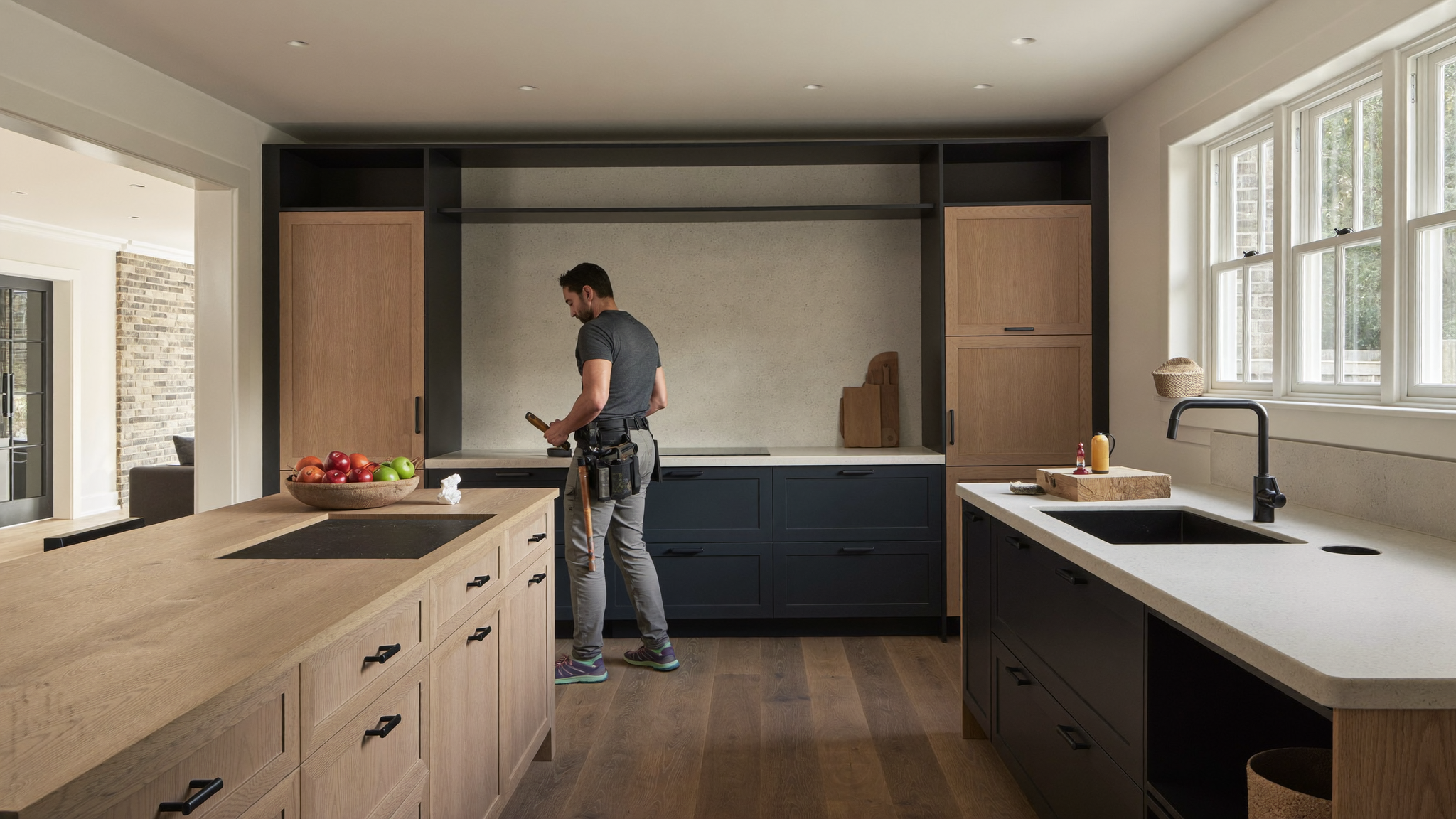
- New kitchen, same layout — no planning, no warrant (like-for-like replacement).
- Knocking the kitchen through to the dining room (load-bearing wall) — no planning; warrant always. Full guide →
- Garage conversion — usually no planning; warrant almost always. Full guide →
- Single-storey rear extension — often no planning within limits; warrant yes. Full guide →
- Conservatory under 8m² — often neither, if conditions met. Full guide →
- Garden office — often no planning within limits; warrant depends on size/use. Full guide →
- Roof solar panels — usually no planning on houses; rarely a warrant. Full guide →
The trap that fills the forums: selling without paperwork
Search any Scottish property forum and you'll find the same story on repeat: an owner did work years ago — or bought a house where someone else had — and the missing building warrant or completion certificate surfaces during a sale. The buyer's solicitor asks for it; there isn't one; the deal stalls.
The fixes exist but cost time and money: a retrospective building warrant (a "late application" — the council can require walls opened up for inspection), or for older work, a letter of comfort / property inspection report from some councils confirming they won't take action. Insurers and lenders may also take a view. The cheap option, always, is doing it right the first time.
How the processes actually run
Planning permission (householder application)
- Drawings prepared and submitted via ePlanning.scot to your council.
- Neighbours are notified; a case officer assesses against the local development plan.
- Target decision time is around 2 months for householder applications.
Building warrant
- Drawings, specifications and (where needed) structural calculations submitted via eBuildingStandards.scot.
- The council's verifier assesses; expect several weeks depending on workload.
- Work proceeds with inspections at key stages; you must not start before the warrant is granted.
- On completion you submit a completion certificate; once accepted, your paperwork is done — file it with your title deeds.



Not sure which consents your project needs?
Tell us what you're planning and we'll tell you straight — free, within one working day.
Ask MPS Interiors →General guidance for Scottish homeowners, not legal or professional advice. Rules change and councils differ — always confirm with your local authority planning and building standards teams before starting work. Sources: gov.scot householder permitted development guidance (Circular 1/2024); mygov.scot; council building standards pages; Scottish solicitors' guidance on missing warrants.