Solar panels on Scottish homes: permissions, warrants and what's changed
Scotland has deliberately made rooftop solar easier — most domestic installations now need no planning permission at all. Here's where the lines still are.
When it's permission-free
- Panels are roof-mounted on a house, project no more than 200mm from the roof surface, and don't extend above the ridge line.
- Works on pitched and flat roofs (flat-roof frames have their own height conditions).
- Scotland has progressively widened these rights in recent years to accelerate rooftop solar — including easing older restrictions in conservation settings for many cases. The direction of travel is firmly pro-solar.
Where you still need to ask
- Listed buildings — listed building consent is needed; approvals happen (especially on rear/outbuilding roofs) but it's case-by-case with Historic Environment Scotland guidance in play.
- Conservation areas — check with your council: rules have relaxed, but prominent street-facing installations can still need permission locally.
- Ground-mounted / free-standing arrays — size and siting limits apply; larger garden arrays often need permission.
- Flats — no householder PD rights, plus the roof is usually common property under your title deeds: you need the other owners as well as the council.
- Wall-mounted panels facing a road — more likely to need permission.
The structural question people skip
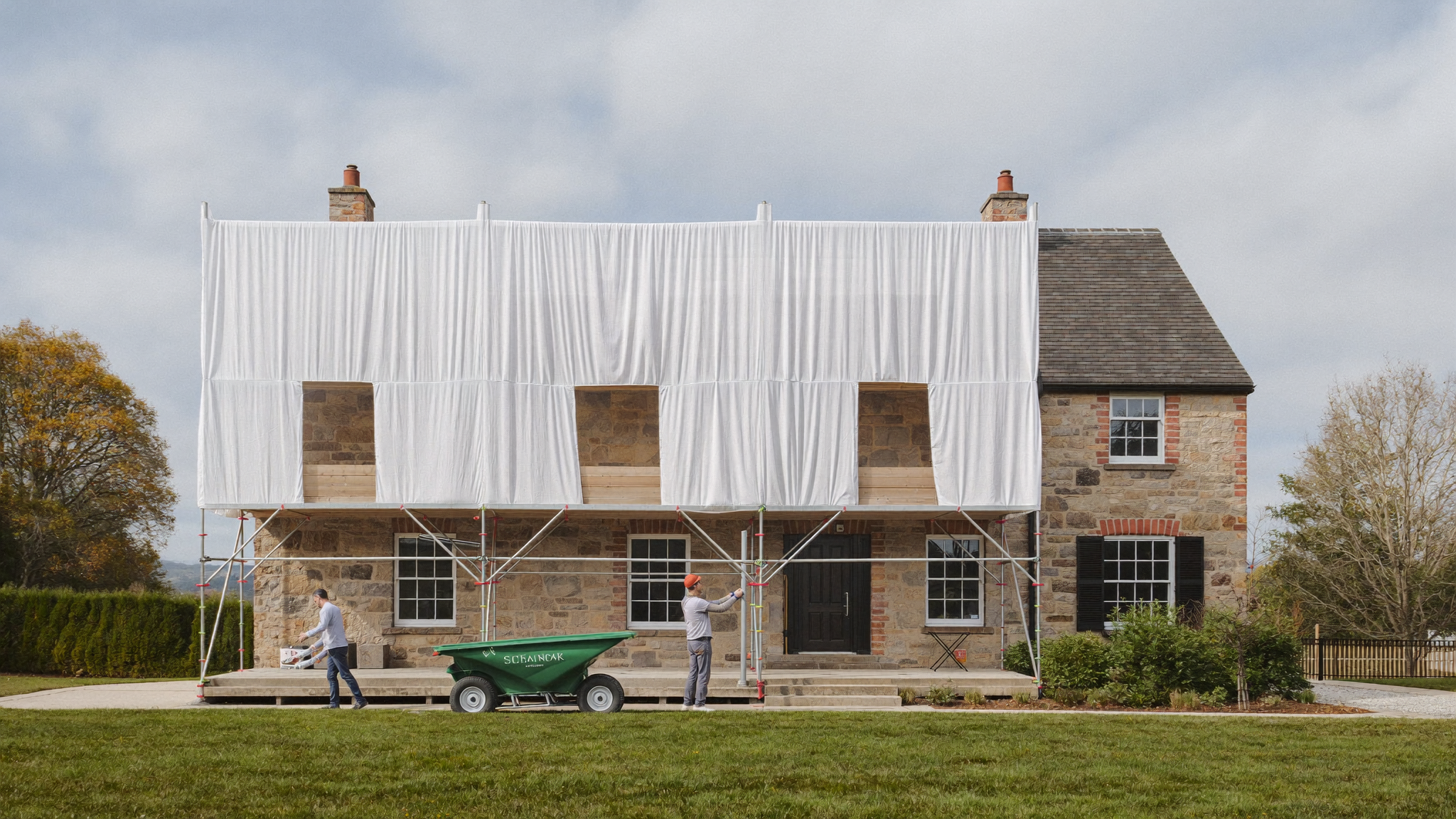
The warrant exemption assumes your roof can carry the panels. Most modern trussed roofs can; some older Scottish roofs — undersized Victorian timbers, slated roofs already at their load limit, anything with historic sag — deserve a structural check first. A competent installer assesses this; a brilliant one shows you the assessment. Panel systems also need wind loading done properly — Scottish gusts find badly fixed rails.
Batteries, EV chargers and the rest
Home batteries and EV charge points ride the same pro-renewables wave and are normally straightforward at domestic scale — but electrical work must meet safety standards, and battery siting (ventilation, fire separation from escape routes) is exactly the kind of detail that separates a proper installer from a van-and-a-ladder outfit.
South-facing rear roof, modern trussed construction. Panels fitted flush on rails (~120mm off the slates), inverter and battery in the garage, no planning permission needed, no warrant needed. The owners' summer export now covers a chunk of their winter bills.
The one check that mattered: we confirmed the 1980s trusses and fixings for wind uplift before ordering — a 20-minute survey that de-risked a 25-year investment.
Asked in the groups
"I'm in a conservation area — is it a flat no?"
"Do panels damage the roof?"
"Is it worth it this far north?"



Thinking solar?
We'll check your roof structure and condition, confirm the consents position for your street, and coordinate the whole job.
Book a solar-readiness check →General guidance, not professional advice — permitted development for renewables has changed several times in recent years and local variation remains; confirm current rules with your council. Sources: gov.scot permitted development rights reviews; Solar Energy UK commentary on Scottish PD changes; council building standards guidance (Argyll & Bute); installer guidance for Scotland.